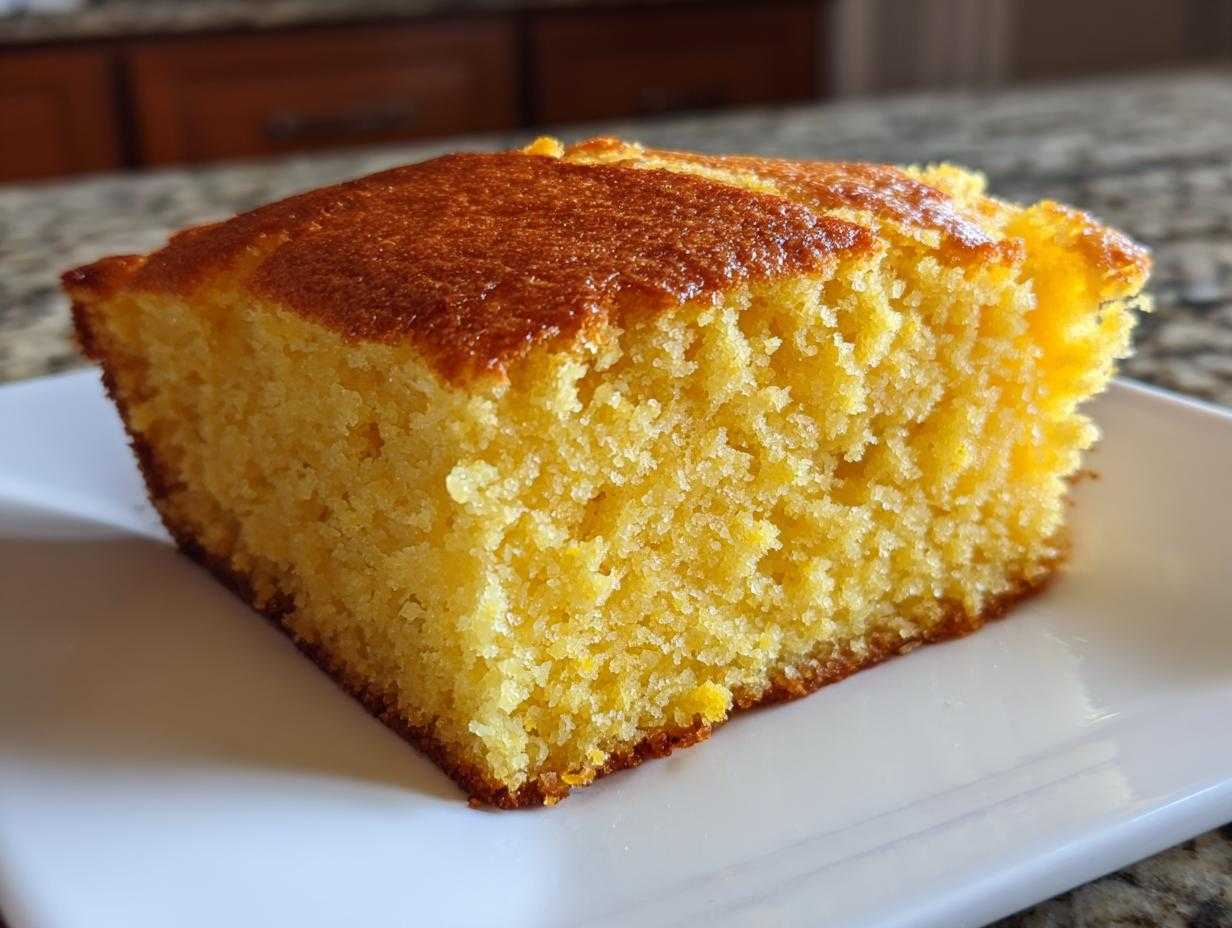
Achieve Moist Buttermilk Cornbread: Your Easy DIY Buttermilk Guide
There's something undeniably comforting about a slice of warm, golden cornbread. For many, it evokes memories of family gatherings, hearty stews, and a simpler time. But not just any cornbread will do. The kind that truly steals the show, the one that makes you reach for seconds, is almost always a perfectly light, tender, and incredibly
moist buttermilk cornbread. This isn't just a side dish; it's an experience – a buttery, slightly sweet, or perfectly savory delight that elevates any meal. From soaking up the last delicious drops of a rich chili to complementing a savory pot of greens, its versatility is unmatched, especially during those colder months when comfort food reigns supreme.
Yet, achieving that coveted moistness and distinct tangy flavor often hinges on one crucial ingredient: buttermilk. And here's a secret that many home cooks will appreciate: you don't need a carton of store-bought buttermilk chilling in your fridge to make it happen. In fact, crafting your own buttermilk at home is not only incredibly simple but also far more economical, ensuring you always have exactly what you need without any waste. Get ready to transform your perception of cornbread with this guide to mastering the art of homemade buttermilk and, in turn, creating the most exquisite
moist buttermilk cornbread you've ever tasted.
The Magic Behind Moist Buttermilk Cornbread
What exactly is it about buttermilk that transforms an ordinary cornbread into a culinary masterpiece? The answer lies in its unique composition and the chemical reactions it facilitates during baking. Buttermilk, traditionally the liquid left over after churning butter, is now typically cultured milk – meaning it has added lactic acid bacteria that give it a thicker consistency and a distinct tangy flavor.
When this acidic buttermilk is combined with baking soda (a common leavening agent in cornbread recipes), it creates a powerful reaction. The acid in the buttermilk activates the baking soda, producing carbon dioxide bubbles. These bubbles get trapped within the batter, expanding as the cornbread bakes, leading to an incredibly light, fluffy, and tender crumb. Without this acidic interaction, your cornbread might fall flat, literally.
Beyond its leavening power, buttermilk also contributes significantly to the overall texture and flavor. The lactic acid helps to break down the gluten in the flour, resulting in a softer, more delicate texture that prevents the cornbread from becoming tough or dry. This is precisely why it's the secret ingredient for truly *moist* cornbread. The subtle tanginess of the buttermilk also adds a depth of flavor that complements the sweetness of the corn and other ingredients, creating a perfectly balanced taste profile that is far from bland.
For many, the taste of a truly exceptional
moist buttermilk cornbread harks back to generations of cooking, reminiscent of a beloved grandmother's kitchen. It’s that perfect balance of sweet and savory, a golden, buttery crust giving way to a light, tender crumb. If you're eager to delve deeper into these cherished family traditions and perfect your sweet cornbread, explore the wisdom shared in
Grandmother's Secret: Best Sweet & Moist Southern Cornbread. It’s this kind of heritage and understanding that elevates cornbread from a simple side to a revered culinary staple.
No Buttermilk? No Problem! Your Easy DIY Solution
Let's be honest: how often do you have a carton of buttermilk readily available in your refrigerator? For most home cooks, the answer is "not often." This common culinary conundrum often deters people from attempting recipes that call for buttermilk, leading to missed opportunities for truly exceptional baked goods. But what if we told you that creating your own buttermilk substitute is not only incredibly easy but also ensures you never have to waste a drop of a store-bought carton again?
Making homemade buttermilk is a game-changer for convenience and economy. It takes mere minutes and uses ingredients you likely already have on hand. Here’s how to do it:
Step-by-Step Guide to DIY Buttermilk:
- Measure Your Milk: For every 1 cup of buttermilk required in your recipe, pour 1 cup of regular milk into a measuring cup. While whole milk will yield a richer substitute, skim or low-fat milk will also work effectively.
- Add Your Acid: To the milk, add 1 tablespoon of an acidic agent. The most common and effective choices are:
- Lemon Juice: Freshly squeezed is best, but bottled lemon juice also works.
- White Vinegar: A pantry staple that delivers excellent results.
Another lesser-known but equally effective alternative is cream of tartar: for every 1 cup of milk, whisk in 1 ¾ teaspoons of cream of tartar.
- Let It Sit: Gently stir the milk and acid mixture. Then, simply let it sit undisturbed for 5 to 10 minutes at room temperature.
- Observe the Transformation: During this brief waiting period, you'll notice the milk starting to curdle and thicken slightly. Tiny visible curds might appear, and the texture will become noticeably different from fresh milk. This is your homemade buttermilk! It won't be as thick as commercial buttermilk, but it will have the necessary acidity to react with your leavening agents and impart that signature tang and moistness to your cornbread.
Tips for DIY Buttermilk Success:
- Ensure Milk Isn't Ultra-Pasteurized (UHT): While most regular pasteurized milk works, ultra-pasteurized milk sometimes resists curdling as effectively.
- Patience is Key: Don't rush the process. Those 5-10 minutes are crucial for the acid to work its magic.
- Use Immediately: Homemade buttermilk is best used right after it's prepared for optimal freshness and activity.
This simple trick ensures that the secret to truly
moist buttermilk cornbread is always within your reach, making last-minute baking a breeze and eliminating unnecessary grocery runs.
Elevating Your Cornbread Experience: Serving & Beyond
A slice of
moist buttermilk cornbread, fresh from the oven, is a delight on its own. But the ways to enjoy and enhance it are as varied and rich as Southern cuisine itself. It’s more than just a humble side; it’s a versatile canvas for flavor and texture.
Classic Indulgences:
- Butter & Honey: The quintessential pairing. A generous pat of melting butter, perhaps sprinkled with a touch of flaky sea salt, followed by a drizzle of golden honey or maple syrup, transforms each bite into pure bliss. The warmth of the cornbread perfectly melts these additions, creating an irresistible texture and taste.
- Jams & Preserves: For a sweet start to your day or a delightful tea-time treat, spread a spoonful of your favorite fruit jam, preserves, or apple butter over a warm slice.
Savory Enhancements:
- Baked-In Goodness: Don't limit additions to the top! Fold ingredients like finely diced jalapeños, shredded cheddar cheese, crumbled bacon bits, or even chopped scallions directly into your batter before baking. This infuses every bite with extra flavor and texture.
- With Hearty Meals: Cornbread truly shines as an accompaniment to robust, flavorful dishes. It's the perfect vehicle for soaking up the rich broths of:
- Ground beef chili or turkey chili
- Creamy potato soup or hearty vegetable soup
- Slow-cooked stews and gumbos
- Barbecue pulled pork or ribs
- Southern greens like collards or mustard greens
- Holiday Staples: Beyond a simple side, cornbread is the foundation for classic holiday dishes like cornbread dressing or stuffing, absorbing flavorful broths and herbs to become a star of the festive table.
It's a shame that such a glorious and versatile food is sometimes "overlooked" or "seen as just a filler." This couldn't be further from the truth. Truly, the best kind of southern cornbread, especially one that's perfectly fluffy, moist, and slightly sweet (or savory!), is dangerously good. Its aromatic crust, tender crumb, and ability to both complement and uplift a meal make it an indispensable part of countless culinary traditions. For an in-depth look at making cornbread a centerpiece rather than just a side, explore
Next-Level Moist Buttermilk Cornbread: Perfect Side Dish Magic. It's a reminder that this simple bread holds profound potential.
Tips for Cornbread Perfection
Creating the ultimate
moist buttermilk cornbread goes beyond just using the right ingredients. A few key techniques and considerations can make all the difference, ensuring every batch you bake is consistently exceptional.
Choosing the Right Cornmeal:
- Fine vs. Coarse: The grind of your cornmeal significantly impacts texture. Fine-ground cornmeal will yield a smoother, more cake-like cornbread, while medium or coarse-ground cornmeal provides a more rustic, crumbly texture with a distinct corn flavor. Experiment to find your preference.
- Yellow vs. White: Yellow cornmeal is most common and gives cornbread its signature golden hue. White cornmeal, often used in more traditional Southern recipes, results in a paler, sometimes slightly milder-flavored cornbread. Both work wonderfully with buttermilk.
Mixing Matters:
- Don't Overmix: This is perhaps the most crucial tip for any baked good, and cornbread is no exception. Overmixing develops the gluten in the flour too much, leading to a tough, dense, and dry cornbread. Mix your wet and dry ingredients just until combined – a few lumps are perfectly fine!
- Room Temperature Ingredients: While not strictly necessary, having your eggs and buttermilk at room temperature can help them incorporate more smoothly into the batter, leading to a more uniform texture.
The Pan Factor:
- Preheating the Pan: For that coveted golden, crispy crust that contrasts beautifully with a moist interior, preheat your baking pan (especially a cast iron skillet) with butter or oil in the oven before adding the batter. A sizzling hot pan instantly sets the edges of the cornbread, creating an unparalleled texture.
- Cast Iron Skillet: A seasoned cast iron skillet is the traditional and arguably best vessel for cornbread. It distributes heat evenly and retains it beautifully, contributing to that perfect crust. If you don't have one, a regular baking dish will work, but ensure it's well-greased.
Baking for Success:
- Proper Temperature: Most cornbread recipes call for a relatively high oven temperature (around 400-425°F or 200-220°C). This high heat helps to achieve a quick rise and a beautifully browned exterior before the interior overbakes and dries out.
- Doneness Test: Cornbread is typically done when the edges are golden brown and a wooden skewer or toothpick inserted into the center comes out clean. Be mindful not to overbake; even moist buttermilk cornbread can dry out if left in the oven too long.
Customizing Your Cornbread:
- Sweet or Savory: Adjust the amount of sugar in your recipe to suit your preference. For a truly savory cornbread, you can omit sugar entirely. For a sweeter version, increase it to ¼ cup or more.
- Fats: While butter is a popular choice, bacon fat or shortening can also be used in the pan and batter for different flavor profiles and textures, especially in more traditional Southern recipes.
With these tips and the magic of homemade buttermilk, you're well on your way to baking consistently perfect, incredibly delicious
moist buttermilk cornbread that will impress every time.
Conclusion
There's no need to wait for a special occasion to enjoy the comforting embrace of homemade cornbread. With the simple, convenient method of crafting your own buttermilk, achieving that elusive fluffy, tender, and truly
moist buttermilk cornbread is now effortlessly within your reach. No more last-minute dashes to the store or wasted cartons; just pure, unadulterated cornbread perfection, whenever the craving strikes. Whether you choose to enjoy it plain with a dollop of butter and honey, or as the star accompaniment to a hearty bowl of chili, this easy DIY buttermilk technique ensures your cornbread will always be next-level delicious. So go ahead, embrace the joy of baking from scratch, and delight in the magic of your own homemade moist buttermilk cornbread. Your family – and your taste buds – will thank you for it!